
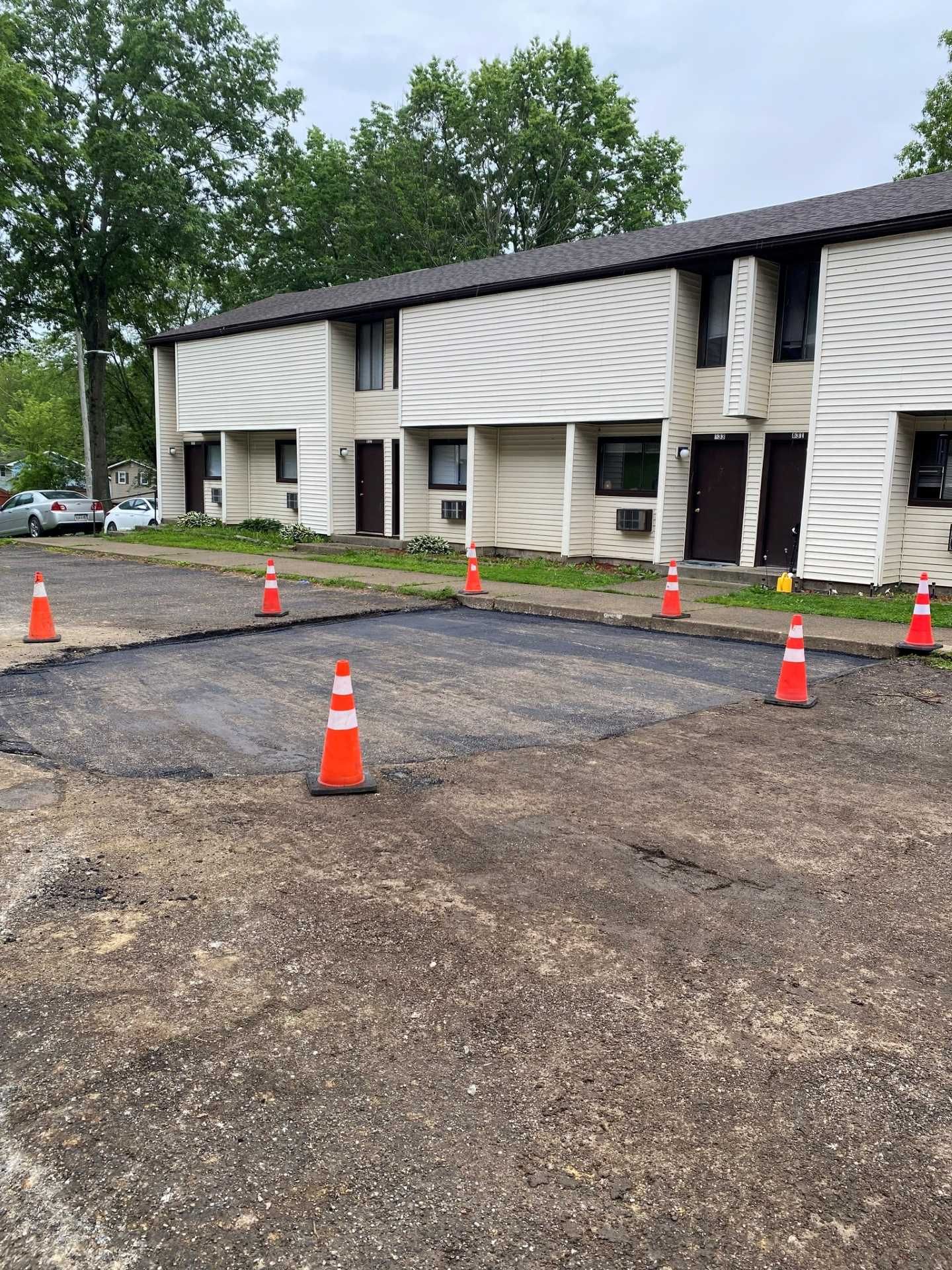
Foundation Layers That Carry Load Properly
Aggregate Base in New Concord for driveways, roads, building pads, and surfaces requiring stable support before paving or construction
Asphalt and concrete surfaces placed directly on subgrade soil crack and fail within months as wheel loads compress clay, moisture causes expansion and contraction cycles, and freeze-thaw movement creates voids beneath rigid slabs. Aggregate base installation by Saorsa Construction Ohio, Inc. in New Concord creates stable intermediate layers between finished surfaces and subgrade soil, using crushed stone compacted to specified density to distribute loads, drain water away from pavement structures, and prevent the differential settlement that causes cracking and surface failure. Properties building driveways, parking areas, access roads, or preparing building pads require this service to establish durable foundations that support traffic and structures without ongoing maintenance or premature replacement.
Base installation involves placing crushed aggregate in lifts over prepared subgrade, spreading each layer to uniform thickness, and compacting with vibratory rollers to achieve density that resists compression under load while maintaining void space for drainage. The angular stone particles interlock when compacted, creating a matrix that transfers loads laterally rather than allowing concentrated pressure to punch through to softer subgrade, and the open-graded structure allows water to drain vertically and laterally rather than remaining trapped beneath pavement where it weakens support.
Request a project estimate to review base thickness requirements and integration with your paving or construction schedule.
Why Aggregate Base Works for Load Support
Aggregate base uses crushed stone graded to specific size distributions that allow particles to nest and interlock during compaction, typically ranging from fine material that fills voids to coarse stone that provides structural strength, with minimal clay or silt content that would retain water and reduce load-bearing capacity. Material is placed in lifts generally six to eight inches thick before compaction, then rolled to target density using equipment weight and vibration frequency matched to aggregate type and moisture content. Proper base thickness depends on subgrade strength, expected loads, and whether the surface will support occasional residential traffic or daily commercial vehicle weights.
Once base installation is complete and asphalt or concrete is placed on top, the pavement structure resists cracking from flexing or settlement because loads distribute through the rigid base layer rather than concentrating on weak subgrade points. Water that penetrates pavement joints or cracks drains through the base layer instead of saturating subgrade soil, preventing the pumping and void formation that create potholes and slab failures. You notice pavement surfaces that remain level and crack-free through seasonal freeze-thaw cycles, driveways that support vehicle weights without rutting or edge failure, and slabs that do not develop settlement cracks or corners that sink below surrounding areas.
Aggregate base is integrated with site preparation and grading services to ensure subgrade elevations and compaction are correct before base placement begins, and specifications vary based on whether the surface will be asphalt, concrete, or permeable paving. The service includes base material delivery, placement, and compaction but does not include pavement installation, which occurs as a separate phase after base inspection and approval.
Projects involving driveways, parking areas, or building pads in New Concord generate questions about material selection, thickness requirements, and how base quality affects long-term pavement performance.
Questions Before Starting Your Project
What determines aggregate base thickness for different applications?
Base thickness depends on subgrade soil strength, expected traffic loads, and pavement type, with residential driveways typically requiring four to six inches of compacted base while commercial parking areas may need eight inches or more. New Concord's clay subgrade conditions often require thicker base layers to compensate for soil expansion potential and reduced bearing capacity during wet periods.
How is aggregate material selected for base layers?
Aggregate is selected based on gradation, angularity, and durability, with crushed stone preferred over rounded gravel because angular faces interlock during compaction to create stronger load distribution. Material must be free of clay, organic matter, or oversized stones that prevent proper compaction or create weak zones.
What happens if base is not compacted properly?
Inadequate compaction leaves voids and loose zones that compress under traffic loads, causing pavement to settle, crack, or develop potholes as base material shifts beneath the surface. Proper compaction in lifts ensures uniform density and prevents post-construction settlement that requires pavement removal and base rework.
How does aggregate base provide drainage for pavement?
The open-graded structure of crushed aggregate allows water to drain vertically through the base layer and laterally toward edges or drainage outlets, preventing water accumulation beneath pavement that softens subgrade and causes pumping failures. Drainage function depends on aggregate gradation and avoiding contamination with fine soil during construction.
When should base inspection occur before paving begins?
Base inspection verifies thickness, compaction, and surface grades before asphalt or concrete placement, ensuring that any corrections can be made without removing finished pavement. Inspection typically occurs immediately after final base compaction and before paving equipment arrives on-site.
Saorsa Construction Ohio, Inc. installs aggregate base layers as part of complete site preparation and paving projects, coordinating base placement with grading and utility work to maintain project schedules. Contact us to discuss base installation requirements and schedule your project.