Pavement Surfaces Protected From Water Intrusion
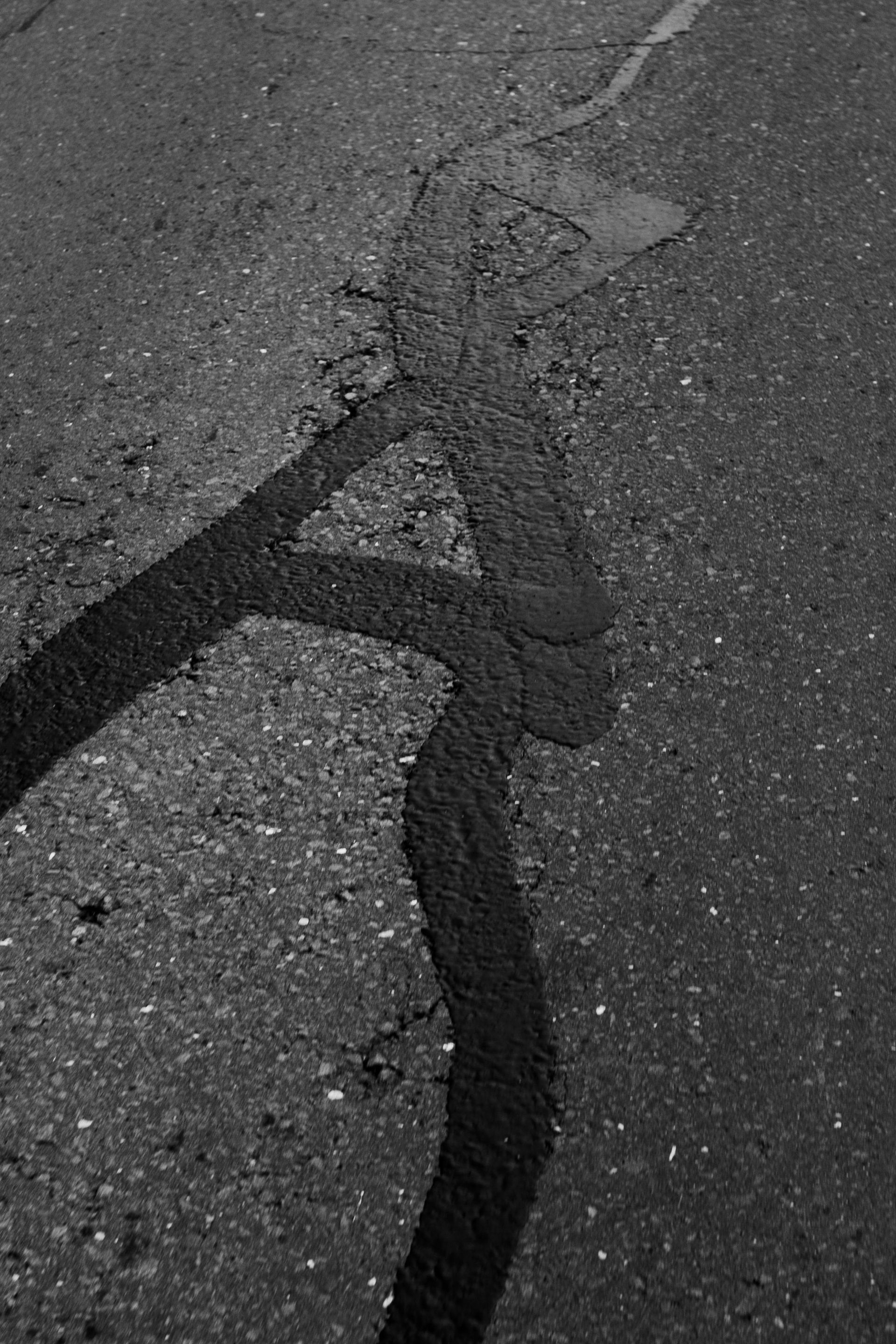
Crack Sealing in New Concord for driveways, parking areas, and asphalt surfaces showing cracks before they expand
Cracks in asphalt surfaces begin as hairline separations caused by temperature cycling, UV exposure, or base settlement, then widen as water seeps into the gaps, freezes during Ohio winters, and expands with enough force to break apart surrounding pavement. Saorsa Construction Ohio, Inc. seals cracks in New Concord asphalt surfaces before water intrusion accelerates pavement deterioration and creates conditions that require full resurfacing rather than maintenance-level repair. Properties with driveways, parking lots, or paved areas showing cracks wider than hairlines but not yet exhibiting base failure or extensive alligatoring benefit from this service as a cost-effective method to extend pavement life and prevent more expensive repairs.
The sealing process involves cleaning cracks to remove debris and loose material, then filling them with rubberized sealant that remains flexible through temperature changes and bonds to crack edges to prevent water penetration. Properly sealed cracks stop the freeze-thaw cycle that widens gaps and undermines the base layer, and prevent water from reaching the aggregate base where it softens subgrade and creates potholes or depressions.
Schedule a maintenance service appointment to seal cracks before seasonal temperature swings accelerate pavement damage.
What Crack Sealing Actually Accomplishes
Crack sealing uses hot-applied rubberized material that flows into prepared cracks, adheres to pavement edges, and cures to form a watertight seal that flexes with thermal expansion and contraction rather than cracking apart during temperature changes. The sealant prevents water from entering the pavement structure, where it would soften the base layer during wet periods and expand during freezing, both of which accelerate crack widening and base failure.
After sealing is complete, cracks no longer admit water during rain or snowmelt, freeze-thaw damage stops progressing, and the sealed surface resists further widening for several years depending on traffic loads and climate exposure. You notice that cracks remain stable in width rather than growing each season, pavement edges along sealed cracks stay intact instead of crumbling, and the asphalt surface maintains a uniform appearance without dark staining or vegetation growth in crack lines. Sealed surfaces require less frequent patching and delay the need for overlay or replacement work.
Crack sealing is most effective when applied to cracks that have not yet progressed to alligatoring or base failure, and the service extends pavement life significantly when performed as part of regular maintenance rather than deferred until damage becomes structural. Sealing does not restore structural integrity to pavement with failed base layers or repair potholes, which require excavation and patching rather than surface sealing.
Asphalt maintenance questions in New Concord typically focus on timing, material performance, and how sealing fits into long-term pavement care strategies.
Common Questions About This Maintenance Service
What makes crack sealing more effective than leaving cracks untreated?
Sealing prevents water intrusion that accelerates crack widening and base deterioration, stopping damage progression at the surface level before it requires excavation and base repair. Untreated cracks expand exponentially once water reaches the base layer and freeze-thaw cycles begin.
How long does rubberized sealant remain effective in Ohio weather?
Rubberized crack sealant typically remains flexible and watertight for three to five years depending on traffic volume, sun exposure, and pavement temperature extremes. New Concord's freeze-thaw cycles demand sealants formulated to maintain elasticity through repeated winter expansion without cracking or separating from pavement edges.
When is the best time to seal asphalt cracks?
Crack sealing is most effective during warm, dry weather when pavement is dry and sealant cures properly, typically late spring through early fall. Sealing during wet or freezing conditions prevents proper adhesion and reduces sealant longevity.
What preparation is required before sealant application?
Cracks are cleaned using compressed air or wire brushes to remove debris, vegetation, and loose asphalt fragments that prevent sealant from bonding to crack edges. Clean, dry crack surfaces ensure maximum adhesion and sealant performance.
How does crack sealing reduce the need for full resurfacing?
Sealing prevents water from reaching the base layer where it causes structural damage that requires removal and replacement of pavement and base material. By maintaining surface integrity, sealing extends the interval between resurfacing projects and reduces total pavement lifecycle costs.
Saorsa Construction Ohio, Inc. applies crack sealing as part of asphalt maintenance programs that extend pavement life and prevent costly structural repairs. Call (740) 396-9770 to schedule crack sealing service and review your pavement maintenance timeline.