Infrastructure Built Into the Ground Correctly
Utility Installation in New Concord for properties requiring new water, drainage, or related underground systems
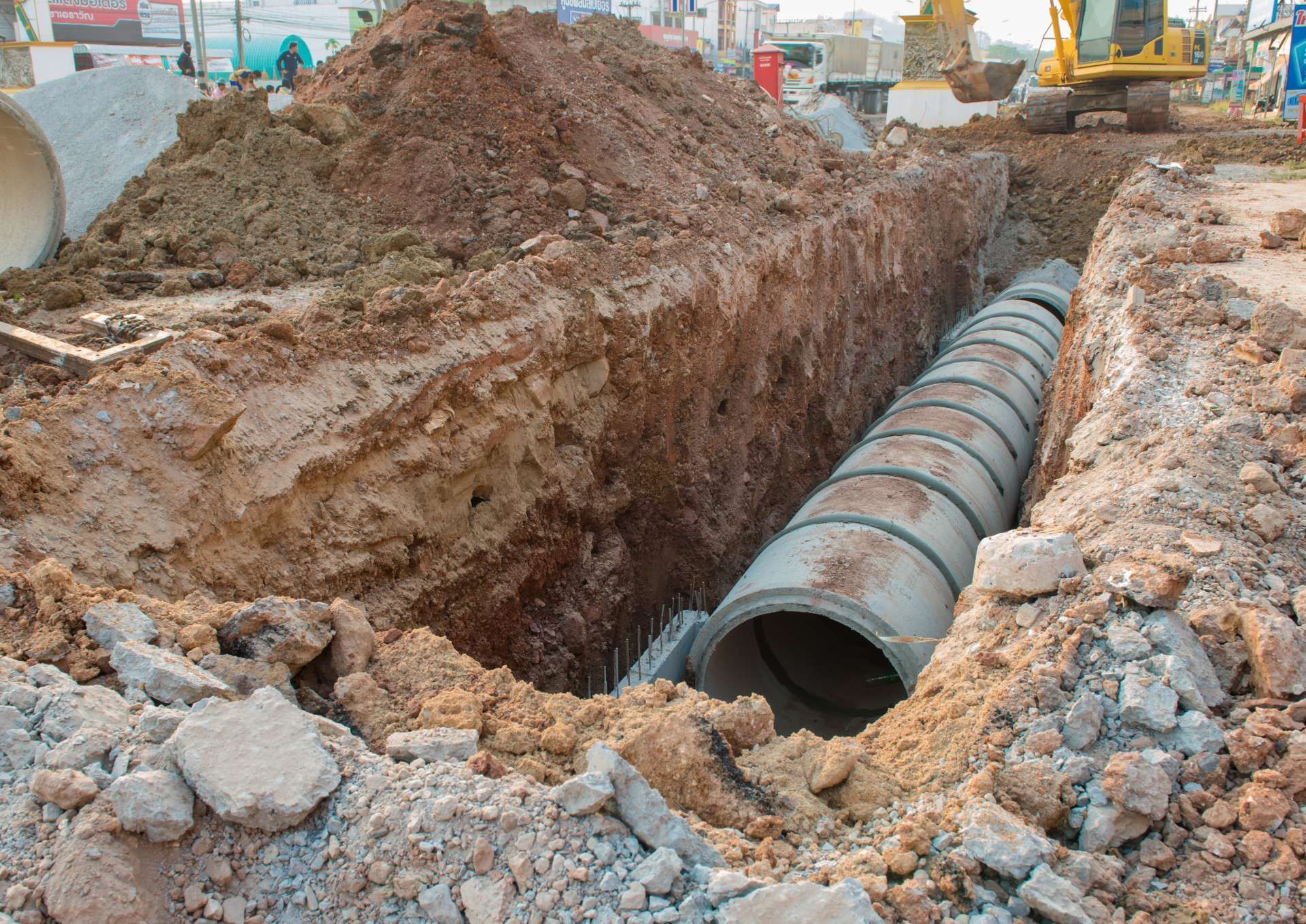
Saorsa Construction Ohio, Inc. installs underground utility systems in New Concord for residential and commercial properties where site development, new construction, or infrastructure upgrades require proper placement of water lines, drainage networks, and related systems. The work involves trenching to specified depths, placing utility lines according to engineered plans, and coordinating each installation phase with grading and excavation timelines to prevent delays or conflicts with other site work. Properties with new building pads, parking areas being developed, or older systems being replaced rely on this service to establish functional infrastructure that supports long-term use without settlement or access issues.
The installation process begins with trenching at depths and slopes determined by the type of utility, soil conditions, and drainage requirements, followed by bedding material placement to support pipes and prevent shifting. Each line is positioned to maintain proper flow direction and connection points, then backfilled and compacted in lifts to restore stability without creating future settlement zones. Coordination with site grading ensures that finished grades match utility elevations and that surface water flows away from structures rather than pooling over buried lines.
Schedule a project planning consultation to review utility routing and integration with your site development timeline.
What Proper Utility Placement Requires
Utility installation requires trenching equipment capable of cutting through varying soil types while maintaining trench wall stability, bedding material selected for the specific pipe type and load conditions, and compaction in controlled lifts to prevent voids that cause surface settling years later. Each utility type has minimum cover depths and separation distances from other lines, and placement must account for future access points, tie-ins to existing systems, and conflicts with planned structures or paving areas.
After installation is complete, the surface above trenches is regraded to match surrounding elevations, eliminating low spots where water collects or raised areas that interfere with paving or landscaping. Backfill compaction prevents the depressions that appear months after trenches are closed, and proper bedding ensures that pipes remain at their designed slope and position rather than shifting under load or soil movement. You notice level surfaces that drain correctly, no settlement cracks in pavement over utility runs, and access points that align with finished grades.
The service integrates with excavation and grading work to minimize repeated mobilization, and includes coordination with inspectors or engineers when project specifications require verification before backfilling. Installation does not include permitting, utility line material supply unless specified, or connection to municipal systems beyond the property boundary.
Underground utility work in New Concord often raises questions about process timing, material choices, and how installation affects other site work.
Questions Property Owners Ask Before Installation
What determines trench depth for different utility types?
Trench depth depends on the utility line type, required cover to prevent freezing or damage, and elevation needed to maintain gravity flow for drainage systems. Water lines typically require deeper placement than drainage lines to stay below frost depth common in Ohio soil conditions.
How is bedding material selected for utility trenches?
Bedding material is chosen based on pipe material and load conditions, with crushed stone or sand used to provide uniform support and prevent point loads that crack rigid pipes. The bedding layer thickness and compaction level depend on whether the utility will support traffic loads or remain under landscaped areas.
What happens if utility installation conflicts with existing site features?
Utility routing is adjusted to avoid conflicts with trees, structures, or other underground lines, and coordination occurs early in planning to identify obstacles before trenching begins. When conflicts cannot be avoided, installation may require hand digging or alternate routing to protect existing features.
How does backfill compaction prevent future surface settling?
Backfill is placed in controlled lifts and compacted at specified moisture levels to achieve density that matches undisturbed soil, eliminating voids that cause depressions months after trenches are closed. Proper compaction allows paving or landscaping to proceed without waiting for natural settlement.
When should utility installation occur during site development?
Utility installation typically follows rough grading and precedes final grading or paving, allowing trenches to be cut at correct elevations and backfilled without disturbing finished surfaces. Coordination with other trades prevents utilities from being damaged during subsequent excavation or grading work.
Saorsa Construction Ohio, Inc. coordinates utility installation with excavation and site grading services to streamline project timelines and ensure proper integration. Arrange a consultation to review utility routing and site preparation requirements for your property.